


Publication
Strong circular performance leads to higher building valuation
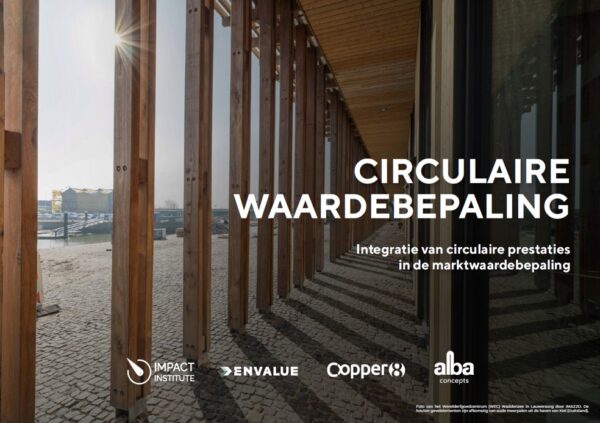


There is a great deal of momentum around circular construction. At the same time, the majority of buildings are still constructed (or renovated) using virgin materials. The housing sector also remains 1.5 to 2 times above the Paris-aligned CO₂ emission targets. We are not meeting our objectives because the focus lies primarily on technical solutions, whereas the financial solutions needed to implement these technical measures are still missing.
In the construction sector, we look for solutions in property valuation, as this plays a key role in determining the amount of financing available for a development. Yet the value of circular real estate is still insufficiently reflected in property valuation, while the costs of circular construction are often higher. In this research, we integrate aspects of circular value into property valuation and identify solutions for the elements that cannot yet be integrated.
How can the value of circular construction be incorporated into property valuation? And which alternative financing methods are available for circular construction if this value cannot be included within standard valuation approaches?
Since late 2023, we have been working on this research. Our approach consists of the following steps:
This research is ongoing. The first iteration of the ‘Circular Valuation’ framework was completed in 2025. In 2026, we aim to apply the framework to several case studies to assess its impact
We published the first version of the Circular Valuation framework in 2025.




Together we build a future that matters. We make choices that work today and remain valuable tomorrow. We create structures that can withstand change. Because real progress begins with vision and courage